Recycling and Sustainability at House Clearance Barking
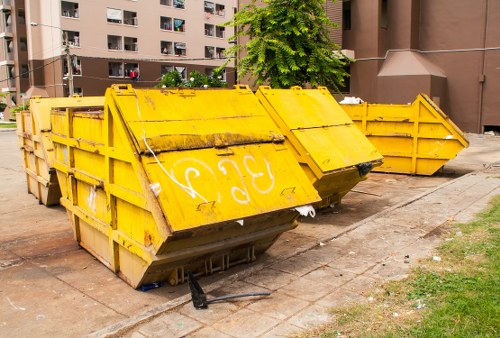
Welcome to our overview of sustainable house clearance in Barking. At House Clearance Barking we prioritise an eco-friendly waste disposal area approach across every job, combining practical reuse, careful sorting and responsible disposal to create a true sustainable rubbish area ethos for the neighbourhood. This page explains our recycling targets, local transfer stations we use, charity partnerships for reuse, and how our low-carbon vans and operational choices reduce emissions during clearances in Barking and surrounding boroughs.Our recycling percentage target and commitments
We have set a clear, measurable recycling percentage target to ensure accountability across all clearances. Our operational goal is to recycle or re-use at least 85% of material recovered from house clearances in Barking within the next two years. This target complements borough waste ambitions — many east London boroughs aim to increase household recycling rates via better bin separation and food waste collection — and reflects our commitment to exceed standard local recycling outcomes whenever possible.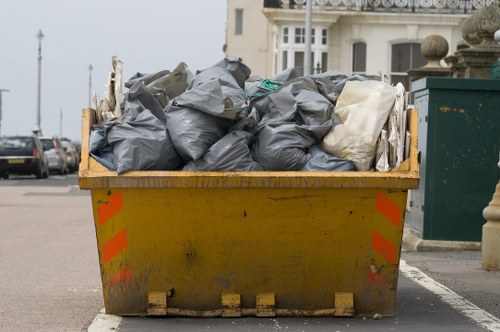
Low-carbon vans and greener transport
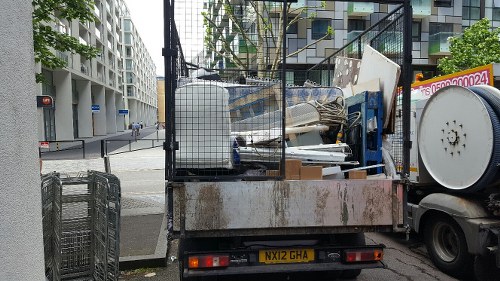
Our Barking house clearance fleet includes low-emission alternatives and route-optimised scheduling. We operate a mix of electric vans, hybrid vehicles and Euro-6-compliant small trucks to keep journeys low-carbon. Telematics and route planning reduce mileage and idling time, lowering emissions for every pickup. When you choose house clearance in Barking with us you help support greener logistics and a smaller transport footprint for bulky waste removal.Local transfer stations and materials recovery
We work with local transfer stations and licensed materials recovery facilities (MRFs) that serve Barking and adjacent boroughs — these include facilities in east London and the Thameside corridor that handle commingled recycling, bulky waste processing and specialist recycling streams. Using local transfer hubs keeps the journey from property to processing short and efficient, which contributes to the low-carbon ambition of our sustainable rubbish area strategy.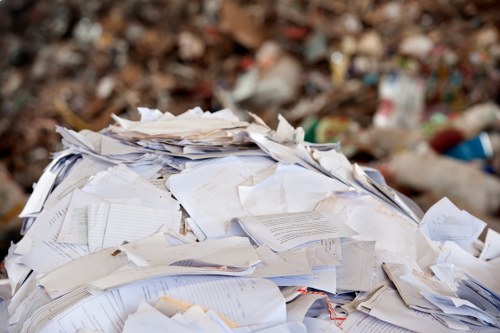
How we sort and separate waste on site
To support the boroughs' approach to waste separation, our teams sort items on-site into clear streams before transport: glass, paper and card, metals, plastics, wood, textiles, electricals and residual waste. We also operate a dedicated food/organic segregation process where appropriate. Typical sorting streams include:- Glass and ceramics
- Paper and cardboard
- Electrical items (WEEE) and batteries
- Furniture and textiles for reuse
- Wood and construction debris
We emphasise reuse and preparation for donation wherever possible: items that are repairable or in good condition are set aside for charity partners or specialist refurbishers rather than being sent to recycling centres as waste.
Partnerships with charities and social reuse networks
We maintain active partnerships with local and national charities, furniture re-use organisations and social enterprises to move usable goods from house clearances back into the community. Typical recipients include furniture banks, local homelessness projects and charities that accept rehomed household goods. By partnering with these organisations we support a circular economy: items that might otherwise become rubbish are given new life, reducing demand for new products and supporting vulnerable residents.Sustainable reuse is central to our Barking house clearance ethos. We track donations and reuse volumes, and prioritise local redistribution to keep social and environmental benefits within the community. Where charities cannot accept items due to space or safety, we engage refurbishers and certified recycling partners who specialise in electronic waste, mattresses, textiles and metalwork.
Managing specialist and hazardous waste streams
Some clearances generate hazardous or specialist waste — for example solvents, paints, asbestos-containing materials or large appliances with embedded refrigerants. These are handled separately under current regulations and processed through licensed hazardous waste transfer stations. Our procedures ensure safe containment, documented chain of custody and responsible treatment to protect the sustainable rubbish area and public health.
Reporting, transparency and community collaboration
We publish operational metrics for house clearances in Barking so clients and local stakeholders can see progress towards our recycling percentage target. Regular reporting includes the percentage diverted from landfill, tonnes donated to charities, and emissions reductions from our low-carbon van fleet. This transparent approach helps us refine routes, improve sorting protocols and expand partnerships across the borough.Local engagement is part of how we create a lasting eco-friendly waste disposal area. We work with tenant associations, housing providers and community projects to identify reuse opportunities and to stage drop-off events at approved transfer stations. The result is a cleaner neighbourhood, a resilient sustainable rubbish area, and measurable environmental benefits.
Choosing a Barking house clearance service that values reuse and recovery means choosing a practical partner for the circular economy. Whether the clearance is domestic, a flat clearance or an estate turnover, our combined strategy — high recycling percentage targets, use of nearby transfer stations, charity partnerships, and a low-carbon transport fleet — ensures that clearances provide social value, reduce waste and support a greener Barking for everyone.