Sustainable Steps for Recycling and Reusing Clothes
In today's eco-conscious world, the fashion industry's environmental footprint is under the magnifying glass. Individuals everywhere are seeking sustainable steps for recycling and reusing clothes, transforming closets, and making environmental impacts, one garment at a time. If you're eager to learn how to contribute to a cleaner, greener planet while giving your clothes new life, you've come to the right place.
Why Recycling and Reusing Clothes Matters
The fashion industry is one of the largest global polluters, with millions of tons of textile waste ending up in landfills each year. Sustainable practices like clothing recycling and garment reuse help minimize resource consumption, conserve energy, and reduce the amount of waste destined for landfills.
- Reduces landfill waste: Textiles take years to decompose and release greenhouse gases as they break down.
- Conserves water and energy: Manufacturing new clothes is water and energy intensive.
- Lowers carbon footprint: Recycling and reusing reduce the demand for new clothing production.
- Supports ethical practices: Promotes conscious consumerism and responsible fashion choices.
Sustainable Fashion: A Global Responsibility
Clothing production accounts for an estimated 10% of global carbon emissions. By implementing sustainable steps for clothing reuse and recycling, you contribute to a significant reduction in environmental harm.

Evaluating Your Wardrobe: The First Step
Before diving into sustainable recycling or reusing clothes, it's essential to examine your wardrobe. This self-audit helps determine what can be worn, repaired, upcycled, donated, or recycled.
How to Conduct a Wardrobe Audit
- Empty your closet: Remove all clothes and assess them individually.
- Sort items: Create piles for clothes to keep, repair, repurpose, donate, or recycle.
- Question necessity: If an item hasn't been worn in over a year, consider if it should stay.
- Check condition: Assess for stains, holes, or wear beyond repair.
Being honest with yourself during this process ensures a more sustainable and intentional wardrobe.
Sustainable Steps for Reusing Old Clothes
Reusing is one of the most eco-friendly options for extending the lifecycle of your clothes. Here are creative and impactful approaches:
1. Upcycling: Giving Garments New Life
Upcycling involves transforming old clothes into functional or stylish new pieces. This process conserves resources while allowing for creativity and personalization.
- Turn jeans into shorts: Cut off worn-out legs and hem for a fresh summer look.
- Create patchwork quilts: Combine fabric scraps for cozy and sentimental home textiles.
- Make tote bags or aprons: Use old T-shirts or dresses to craft reusable bags or kitchen accessories.
- Personalize with dye or embroidery: Revamp faded garments with eco-friendly dyes or fun patterns.
These projects not only reduce waste but also add character to your wardrobe and lifestyle.
2. Repair and Mend to Extend Wear
Prioritize repairing over discarding. Simple fixes like sewing on buttons, patching holes, or replacing zippers can significantly prolong garment life.
- Learn basic hand sewing: Small repairs require minimal skill and tools.
- Use iron-on patches: Extend the life of jeans, jackets, or kids' clothes effortlessly.
- Find a local tailor: Professional repairs are cost-effective compared to buying new.
Extending the life of clothes through repair greatly reduces your environmental impact while saving money.
3. Host Clothing Swaps
Swapping clothes with friends, family, or community members is an enjoyable way to refresh your wardrobe sustainably.
- Organize local swap events: Invite friends and neighbors for a clothing exchange.
- Join online swap groups: Platforms and social media help connect with like-minded individuals.
- Follow swap etiquette: Ensure clothes are clean, and only swap items in good condition.
Clothing swaps reduce waste, promote community, and offer new-to-you styles without the environmental cost of new clothing.
4. Donate to Charities and Shelters
Donating gently used clothing helps those in need and ensures your clothes stay in use for as long as possible. Research local organizations to maximize your positive impact.
- Choose reputable charities: Donate to organizations providing clothing to those in need.
- Drop off at shelters: Many homeless or domestic violence shelters need clothing donations.
- Clothing banks and drives: Participate in organized clothing collection events.
Donations keep clothing in circulation and support communities, making this one of the most rewarding forms of sustainable clothes reuse.
Responsible Clothes Recycling
Sometimes, clothes are beyond repair or reuse. In such cases, recycling ensures materials find new purpose rather than occupying landfill space. Here are the best sustainable steps for clothing recycling:
Find Textile Recycling Programs
Many organizations and retailers offer textile recycling bins. These programs convert old fabrics into new products, such as insulation, industrial rags, or recycled fibers for textile manufacturing.
- Retail store take-back schemes: Brands like H&M, Levi's, and The North Face accept old garments for recycling.
- Community collection bins: Look for drop-off points at recycling centers or local charities.
- Municipal programs: Some cities include textiles in curbside recycling; check your local guidelines.
Choose recycling programs that accept a wide range of textiles to maximize recycling efficiency.
Participate in Clothing Drives and Fundraisers
Many schools, organizations, and communities organize clothing drives for fundraising or supporting global initiatives. These collections often include recycling partnerships that process unusable textiles sustainably.
- Community-led events: Help raise funds while keeping textiles out of landfills.
- Corporate collection days: Many workplaces facilitate clothing and textile recycling initiatives.
Recycle Specialty Items Responsibly
Certain items like shoes, undergarments, or uniforms require specific recycling methods:
- Shoe recycling programs: Major sports brands (Nike, Adidas) offer take-back schemes for sneakers.
- Specialized charities: Donate bras, prosthetics, or uniforms to organizations that distribute them to those in need.
- Textile-to-textile recycling: Seek facilities that break down fabrics into fibers for new textiles.
Tips to Reduce Clothing Waste from the Start
Prevention is better than cure when it comes to sustainable wardrobe management. Here's how you can reduce future clothing waste:
- Embrace slow fashion: Invest in high-quality, durable, and timeless clothing instead of fast fashion trends.
- Buy secondhand: Thrift stores, consignment shops, and online platforms reduce demand for new clothes.
- Care for your clothes: Wash less often, use cold water, and air-dry garments to prolong their lifespan.
- Opt for natural and recyclable fibers: Choose organic cotton, linen, wool, or recycled materials when buying new clothes.
By making conscious purchasing decisions, you minimize the need for recycling and reusing clothes later on.
Embracing a Circular Clothing Lifecycle
Transitioning from a linear "take-make-dispose" approach to a circular clothing lifecycle--where garments are reused, recycled, or upcycled--ensures resources remain in circulation for as long as possible.
- Rent or lease fashion: For special occasions, use clothing rental services instead of buying new.
- Resell unwanted clothes: Use platforms like eBay, Poshmark, or Depop to give your garments a second life.
- Compost natural fiber clothes: 100% cotton, linen, or wool garments can be composted once no longer wearable, completing the lifecycle sustainably.
Common Myths About Clothing Recycling and Reuse
There's widespread confusion about recycling and reusing clothes. Let's clarify some myths:
- Myth: Only wearable clothing can be donated or recycled.
- Fact: Many programs accept even torn or stained clothes for textile recycling.
- Myth: All textiles are biodegradable.
- Fact: Synthetic fabrics like polyester can take centuries to break down, making recycling crucial.
- Myth: Old clothes aren't valuable.
- Fact: Reused or recycled clothes reduce environmental impact and support communities.
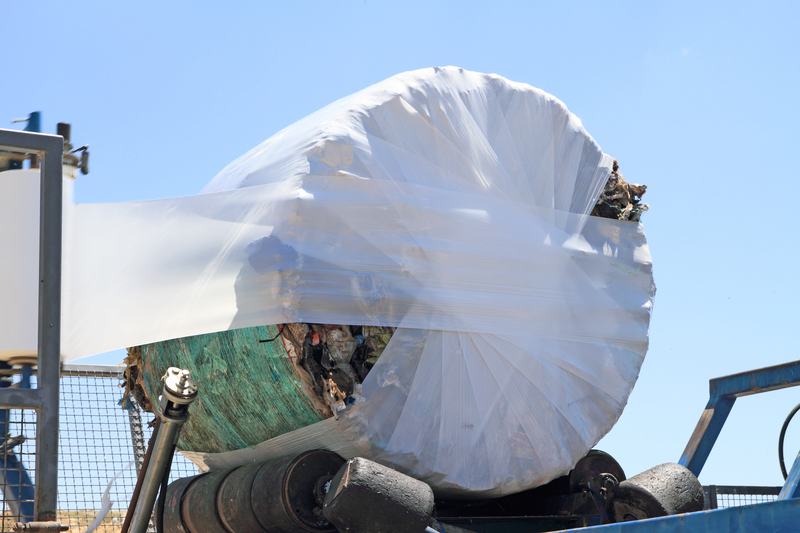
Promoting Sustainable Steps for Clothing Recycling and Reuse Globally
The movement towards a sustainable fashion industry requires collective action from consumers, brands, and policymakers:
- Support brands with take-back programs: The more consumers engage, the broader the networks for recycling and reuse.
- Advocate for policy change: Press governments for textile recycling infrastructure, incentives, and awareness campaigns.
- Educate your network: Spread awareness about sustainable garment recycling and reuse in your community or workplace.
Conclusion: Fashion with a Future
Adopting sustainable steps for recycling and reusing clothes is an effective way to combat fashion waste and environmental harm. From reimagining your wardrobe and repairing garments to responsibly recycling or donating, every action counts. With creative upcycling, community-focused swaps, and informed purchasing decisions, you can create a greener, more ethical future for fashion.
Be part of the solution--embrace sustainable clothing practices, and help shape a world where style and sustainability walk hand in hand.
- Ready to start? Audit your closet today and take your first sustainable step towards clothing recycling and reuse!
- Stay informed: Follow blogs, brands, and organizations leading the charge in sustainable fashion.
- Share your journey: Inspire others by posting your upcycling or recycling projects online.
Together, we can change fashion for the better--one piece of clothing at a time.