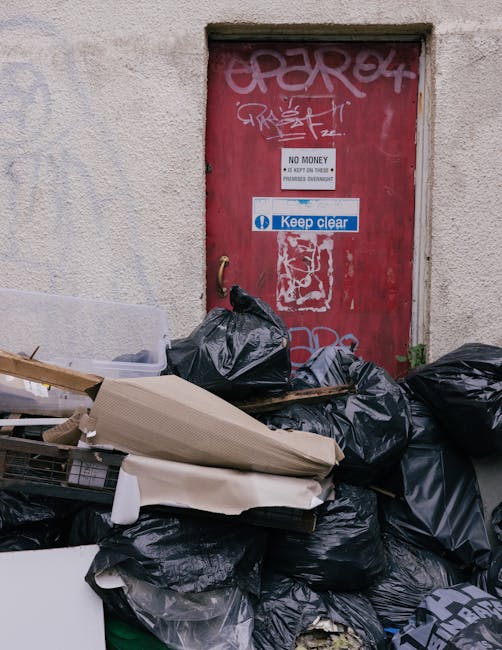
Barking council bulky rubbish permits what residents must know
If you live in Barking and you are staring at an old wardrobe, a broken sofa, or a pile of renovation leftovers, the permit question can get confusing fast. Do you need permission, can you leave bulky items out, and what happens if the council says no? This guide on Barking council bulky rubbish permits what residents must know explains the practical side of bulky waste in plain English, so you can sort it properly without making an expensive mistake.
To be fair, most people only think about rubbish permits when they are already knee-deep in a garage clear-out or moving house. That is exactly when small misunderstandings turn into missed collections, complaints from neighbours, or a mess on the pavement at the wrong time of day. Let's make it simpler.
Below, you will find how bulky rubbish permissions usually work, when a permit or booking matters, what residents should check before putting anything out, and the best alternatives if the council route is not the right fit.
Why Barking council bulky rubbish permits what residents must know Matters
Bulky waste sounds simple until you try to get rid of it. A mattress, a chest of drawers, a worn-out carpet roll, or the remains of a shed do not fit neatly into standard household bins, and they are often awkward to move. That is where residents start asking whether a council permit, a booking, or a special collection applies.
For Barking residents, the key issue is not just getting rid of the item. It is doing it in a way that is accepted, safe, and legally tidy. If you place bulky items outside without checking the rules, you may run into missed collections, fly-tipping concerns, blocked access, or a complaint from the people next door. And honestly, nobody wants to explain a broken sofa sitting on the kerb at 6 a.m. when the rain has already soaked through it.
The topic also matters because bulky waste often appears during life events: moving home, clearing after a bereavement, fitting a new kitchen, or emptying a loft that has quietly become a storage museum. Those moments are stressful enough without having to guess which disposal route is allowed.
Practical takeaway: if bulky rubbish is too large for normal bins, do not assume you can just leave it out. Check the collection rules first, then decide whether the council option or a private clearance service is the cleaner solution.
How Barking council bulky rubbish permits what residents must know Works
In practice, bulky waste arrangements usually fall into one of three buckets: a booked council collection, a permit or approval requirement for placing items on public land, or a private collection arranged by a waste carrier. The exact wording can vary, which is why residents often get stuck on the question of whether they need a permit at all.
Here is the simplest way to think about it:
- Private land: if the items are staying within your property boundaries, you usually do not need a highway or pavement permit, though you still need to store them safely.
- Public land or highway: if items are placed on a pavement, verge, or other public space, permission is often needed before anything is left out.
- Council collection service: some councils offer bulky waste collection by appointment, with rules on what can be collected, how items must be presented, and when they can be put out.
That is the core of it. The trick is knowing which situation you are in. A resident clearing a sofa from a flat on the second floor has a different problem from a landlord emptying a front garden after a tenant move-out. Same rubbish, different logistics.
If your bulky items include mixed materials, damaged furniture, or awkward waste from a small refit, it can help to treat the job as a small clearance project rather than a single bin issue. In those cases, services such as home clearance, house clearance, or general waste removal may be a more efficient fit than waiting for a one-off slot.
The important thing is not to overcomplicate it. Ask: where is the item stored, how big is it, who is responsible for moving it, and does it need special permission to leave the property? Once you answer those four questions, the route becomes clearer.
Key Benefits and Practical Advantages
Getting the permit or collection route right has a few very real benefits. Some are obvious. Some are the sort of thing you only appreciate after you have had to drag a sofa back inside because you missed the booked day. That one is not fun.
- Less risk of penalties or complaints: items placed incorrectly on the pavement can create problems quickly.
- Cleaner streets and safer access: keeping bulky waste out of shared walkways helps neighbours, visitors, and delivery drivers.
- Better timing control: a planned collection is easier than waiting until the rubbish starts taking over the hallway.
- Lower stress during moves or refurbishments: bulky items are one less thing to worry about when the rest of the day is already chaotic.
- More suitable disposal: some items can be reused, donated, or recycled rather than simply dumped.
There is also a quiet benefit people overlook: confidence. When you know whether a permit is needed and which route to take, you stop second-guessing yourself. That matters more than it sounds, especially if you are managing a flat clearance, dealing with a house full of inherited furniture, or sorting rubbish before a tenancy ends.
If you want your waste handled in a more structured way, it may be worth looking at recycling and sustainability as part of the decision, especially for furniture, wood, metal, and mixed loads.
Who This Is For and When It Makes Sense
This topic is relevant to a lot more people than you might think. In Barking, bulky rubbish questions come up for:
- homeowners clearing out old furniture or broken appliances
- tenants moving out and needing to leave a property tidy
- landlords preparing a flat between occupancies
- families clearing a loft, garage, or spare room
- people managing bereavement clearances, which are emotionally hard and often time-sensitive
- small businesses dealing with office furniture or storage room clutter
- builders or DIY renovators with leftover debris and mixed waste
It makes sense to focus on permits and collection rules when the bulky items are going somewhere public, when there are neighbours nearby, or when timing is tight. If the front entrance is shared, if parking is already difficult, or if the building is a flat with narrow stairwells, the decision becomes more sensitive.
For example, someone clearing a single sofa from a ground-floor house may only need a straightforward collection plan. Someone emptying a top-floor flat after a long-term tenancy may need flat clearance support because the physical removal is the hard part, not just the disposal. Likewise, a cluttered garage or loft can quickly become a bigger job than expected, which is why garage clearance and loft clearance are often better options than trying to manage everything alone.
Truth be told, many residents only realise this once they have tried to lift a wardrobe down the stairs and heard that awful scraping sound on the wall. That is your cue to stop and reassess.
Step-by-Step Guidance
Here is a practical way to work through the issue without wasting time.
- Identify the items. Make a rough list of what needs removing. A sofa is not the same as timber offcuts, and a broken desk is not the same as a mattress.
- Check where the waste is stored. Inside the property, in a front garden, on a driveway, or on the pavement? This changes what permission may be needed.
- Separate bulky items from general rubbish. Mixed waste slows down collections and can increase the likelihood of a refused pickup.
- Decide whether a council collection is suitable. This depends on what the council accepts, how quickly you need the job done, and whether the collection rules fit your property.
- Confirm any permit or booking requirements. If items will be placed in a public area or require a scheduled collection, make sure you understand the process before moving them out.
- Prepare the items properly. Make them accessible, avoid blocking entrances, and keep them dry if possible. Wet cardboard and soaked upholstery are a grim combination, by the way.
- Use a reputable disposal route if the job is bigger than expected. A clearance company can often manage lifting, loading, transport, and sorting in one visit.
- Keep any confirmation or booking details. If there is a permit number, collection slot, or agreed instruction, save it somewhere you can find quickly.
If you are dealing with a broader property clean-out, the step-by-step process often works best when paired with a service that fits the type of load. For instance, heavy household items may be better handled through furniture disposal, while mixed commercial clutter may point toward business waste removal or office clearance.
A small but useful habit: take a photo of the pile before arranging collection. If something goes missing, gets damaged, or is questioned later, that record can save a lot of back-and-forth. Not glamorous, but helpful.
Expert Tips for Better Results
After enough clear-outs, a few patterns become obvious. These are the things that make the whole process smoother.
- Book earlier than you think you need to. Bulky waste tends to grow. One chair becomes two chairs, then a table, then the spare mattress from the loft.
- Keep access routes clear. Narrow hallways, shared stairwells, and parking restrictions can turn a simple collection into a frustrating wait.
- Group items logically. Put furniture together, keep recyclable material together, and separate anything sharp or hazardous.
- Ask about lifting support. If the item cannot be safely moved by one person, do not improvise. It is not worth a strained back.
- Think about reuse before disposal. Some furniture can be passed on, and not every bulky item needs to become waste.
In our experience, the best results come when residents stop seeing bulky rubbish as a last-minute problem and treat it like a mini project. That sounds a bit dry, maybe, but it works. You plan the route, prepare the items, and avoid that Saturday-morning panic.
If money and timing are part of the decision, a quick look at pricing and quotes can help you compare a council collection with a private clearance option. You do not have to guess blindly. Nice change, really.
Common Mistakes to Avoid
Most problems with bulky rubbish are surprisingly ordinary. They are not dramatic legal disasters. They are small mistakes that pile up.
- Leaving items out before the agreed time. This can cause obstruction or attract complaints.
- Assuming every bulky item is accepted. Some collections exclude certain materials or require separate handling.
- Forgetting about shared access. In flats and terraces, one person's clutter becomes everyone's inconvenience very quickly.
- Mixing different waste types. Clean furniture, DIY rubble, and garden cuttings often need different handling.
- Ignoring safety. Broken glass, sharp edges, damp mouldy items, or heavy wardrobes are not things to drag around casually.
- Choosing the cheapest option without checking what is included. A low headline price is not much use if loading, lifting, or disposal conditions make it awkward.
A common one is underestimating how long a clearance will take. You think it is one hour. Then you find the back of the wardrobe has been hiding old boxes, cables, and a mystery umbrella from 2019. Happens all the time.
If the job feels bigger than a standard collection, look at house clearance or home clearance rather than trying to patch together several small solutions. It can save time, effort, and a few headaches.
Tools, Resources and Recommendations
You do not need fancy equipment to manage bulky rubbish well, but a few basic tools make life easier.
- Tape measure: useful for checking whether an item can fit through a hallway, lift, or doorway.
- Gloves: simple protective gloves can help when dealing with rough edges or dusty items.
- Dust sheets or bin liners: helpful when moving items through clean areas.
- Mobile phone camera: useful for photographing items and confirming the condition before collection.
- Notepad or checklist: handy for keeping the job organised, especially if several rooms are involved.
As a general recommendation, residents should match the disposal route to the type of waste rather than forcing everything into one plan. For example, garden waste is usually best treated differently from furniture, which is why garden clearance can be a better fit for outdoor waste, while sofas, beds, and tables may suit furniture clearance.
For businesses and trades, it can also help to keep a separate route for project waste. A builder's rubble pile, for example, is a different beast from office chairs and filing cabinets, so a service like builders waste clearance can be the more sensible choice.
Law, Compliance, Standards and Best Practice
When bulky rubbish involves public space, waste transfer, or collection by a third party, compliance matters. The safest approach is to follow local collection rules carefully, keep waste out of the highway unless you have clear permission, and use a properly insured and responsible waste carrier for removals.
There are a few general best practices residents should keep in mind:
- Do not block pavements, driveways, or shared entrances.
- Keep waste secure and stable. Items should not topple into the street or create a hazard.
- Separate hazardous or sharp materials. Broken glass, solvents, and other risky items need extra care.
- Use clear booking instructions. If a collection is arranged, follow the timing and placement instructions exactly.
- Choose a service with proper insurance and safety standards. This protects you if the job involves lifting, stairs, or access difficulties.
For residents, the legal detail can feel a bit dry, but the principle is simple: put waste where it is allowed, move it safely, and make sure the collection route is legitimate. That is the part that really protects you.
If you are arranging a private removal, it is sensible to check a provider's standards around insurance and safety and their approach to health and safety. Those pages tell you a lot about how carefully a company works, even before anyone arrives at the door.
You may also want to review terms and conditions and complaints procedure if you are booking a clearance service. Not because you expect a problem, but because good paperwork has a habit of making life easier when plans change.
Options, Methods and Comparison Table
Residents usually have three practical options for bulky rubbish. The best choice depends on time, item type, and how much physical work you want to do yourself.
| Option | Best for | Pros | Watch outs |
|---|---|---|---|
| Council bulky waste collection | Single or limited items that fit the service rules | Simple, familiar, often straightforward for residents | May have booking limits, item restrictions, or longer waits |
| Private clearance service | Mixed loads, difficult access, time-sensitive jobs | Flexible, lifting included, useful for bigger clear-outs | Cost varies depending on volume and access |
| Self-managed disposal | Small amounts and people with transport | Direct control over timing and sorting | Requires labour, transport, and careful handling |
For a lot of Barking households, the council route is fine for a single item or two. Once the job includes stairs, a tight hallway, or a pile of items from several rooms, a private option often becomes the calmer choice. It is not always cheaper in the broader sense to do everything yourself, especially once you factor in time and the risk of damage.
If you need a more complete service, you can also look at furniture disposal or a broader waste removal arrangement, depending on whether the job is mostly furniture or a mixed clear-out.
Case Study or Real-World Example
A typical Barking scenario looks like this: a couple is moving out of a first-floor flat and discovers they need to get rid of a bed base, two wardrobes, an old desk, and several bags of mixed clutter from the spare room. They first think about leaving everything near the front of the building on the evening before collection. Then they realise the entrance is shared, there is limited space, and the items would be in the way.
At that point, they have a choice. They can try to split the job into multiple collections, wait for a suitable council slot, and manage the lifting themselves. Or they can arrange a single clearance visit, have the items removed from inside the property, and avoid blocking the communal area. In that kind of situation, the second route usually saves energy and keeps everyone happier.
Another common example is a garage that has slowly filled with broken bikes, old storage boxes, and a heavy chest of drawers that nobody has used for years. It is the sort of job people keep postponing because it looks "not too bad" from the doorway. Then you open the garage fully and, well, the smell of dust and damp cardboard says otherwise. A dedicated garage clearance makes far more sense than moving one piece at a time over several weekends.
The lesson is simple: once bulky waste becomes awkward, time-sensitive, or physically difficult, the best disposal route is usually the one that reduces friction, not the one that sounds most DIY-friendly on paper.
Practical Checklist
Use this checklist before you arrange a bulky waste pickup or permit-based placement.
- List every bulky item that needs removing.
- Check whether the items are on private land or public land.
- Confirm whether the council collection accepts those item types.
- Find out whether a permit, booking, or specific placement time is needed.
- Measure large items if access is tight.
- Separate reusable, recyclable, and general waste where possible.
- Make safe lifting a priority, especially on stairs.
- Keep pathways, exits, and shared entrances clear.
- Save any confirmation details, booking references, or instructions.
- Choose a private clearance option if the job is bigger than the council route can handle comfortably.
If you are not sure which route fits your situation, start with the most practical question: what would make the job easiest to complete safely and on time? That usually points you in the right direction pretty quickly.
Get a free quote today and see how much you can save.
Conclusion
When people search for Barking council bulky rubbish permits what residents must know, they are usually not looking for bureaucracy for its own sake. They want a clean answer: can I leave this out, do I need permission, and what is the safest way to get rid of it?
The honest answer is that the right approach depends on where the items are, how big the load is, and whether the council collection rules fit the job. If the waste is simple and the collection process is clear, the council route may be enough. If the load is awkward, mixed, urgent, or physically difficult, a private clearance option can be the calmer and more efficient choice.
Get the basics right, keep access clear, and choose the route that suits the real-world job in front of you. Small decisions now save a lot of faff later, and that is never a bad thing.
Frequently Asked Questions
Do I always need a permit for bulky rubbish in Barking?
No, not always. Whether a permit is needed usually depends on where the items are being placed and whether they will be on public land or part of a booked collection. If everything stays within your property, a permit may not be necessary.
What counts as bulky rubbish?
Bulky rubbish is usually anything too large or awkward for normal household bins. That often includes sofas, mattresses, wardrobes, tables, chairs, and similar household items.
Can I leave bulky waste on the pavement before collection day?
Only if the collection rules specifically allow it. Leaving items on the pavement too early, or without the right permission, can create an obstruction and may cause problems.
What should I do if my bulky items are too heavy to move safely?
Do not force it. Heavy or awkward items are a common cause of damage and injury. A clearance service with lifting support is often the safer choice.
Is it better to book a council collection or use a private clearance company?
It depends on the job. A council collection can work well for a few suitable items. A private clearance company is often better for mixed loads, difficult access, or time-sensitive clear-outs.
Can I include furniture and mixed waste in the same collection?
Sometimes yes, but not always. It depends on the collection provider and the type of waste involved. Mixed loads should be checked carefully so nothing gets refused at the last minute.
What happens if bulky waste is left out incorrectly?
It may be missed, rejected, or treated as an obstruction. In some situations, poorly placed waste can lead to complaints or enforcement action, so it is worth checking the rules first.
How far in advance should I arrange bulky rubbish removal?
As early as you can, especially if you are moving home or clearing a property on a deadline. Busy periods fill up quickly, and bulky items have a habit of becoming more awkward the longer they sit around.
Can bulky items be recycled or reused?
Often yes. Many furniture items, wood, metal, and other materials can be sorted for reuse or recycling where suitable. It is worth asking how the waste will be handled rather than assuming it all goes the same way.
What if I am clearing a loft, garage, or whole house?
Then a broader clearance service may make more sense than a single bulky waste booking. Options such as loft clearance, garage clearance, and house clearance are designed for jobs that go beyond one or two large items.
Should I check a company's policies before booking?
Yes. Looking at about us, insurance and safety, and payment and security helps you judge whether the provider is organised, trustworthy, and a good fit for your job.
What is the best first step if I am still unsure?
Make a short list of the items, note where they are stored, and decide whether the job is simple enough for a council collection or big enough for a private clearance. If you are still stuck, a quick enquiry through contact us can help you move forward without overthinking it.